Kinetic Facade Systems are Changing the Architecture Industry
- Dexxta Design

- Dec 19, 2025
- 3 min read
Architecture has always been a reflection of its time—responding to climate, technology, culture, and human needs. In recent years, one innovation has begun to redefine how buildings interact with their environment: kinetic facades. No longer static skins, building envelopes are becoming intelligent, responsive systems—and this shift is transforming the architecture industry at its core.

From Static Buildings to Living Architecture
Traditional facades serve a largely passive role—providing shelter, aesthetics, and basic climate control. Kinetic facades, on the other hand, introduce movement into architecture. These systems respond dynamically to environmental conditions such as sunlight, wind, temperature, and occupancy.
This transition marks a fundamental change: buildings are no longer inert objects but living structures that adapt in real time.
Performance-Driven Design Takes Center Stage
One of the most significant impacts of kinetic facades is their ability to enhance building performance.
Solar control: Adjustable panels reduce heat gain during peak sun hours and open up during low-intensity light.
Natural ventilation: Wind-responsive elements improve airflow, reducing reliance on mechanical systems.
Energy efficiency: Reduced cooling loads lead to measurable energy savings and lower carbon footprints.
Firms like Dexxta are pushing this performance-driven approach by designing kinetic façade systems that are engineered specifically for local climate conditions, ensuring both efficiency and durability.
A New Language of Architectural Expression
Movement introduces a new dimension to design—time. Kinetic facades allow buildings to change appearance throughout the day, creating ever-evolving elevations.
Architects are now designing facades that:
React to the sun’s path
Ripple with wind
Transform between open and closed states
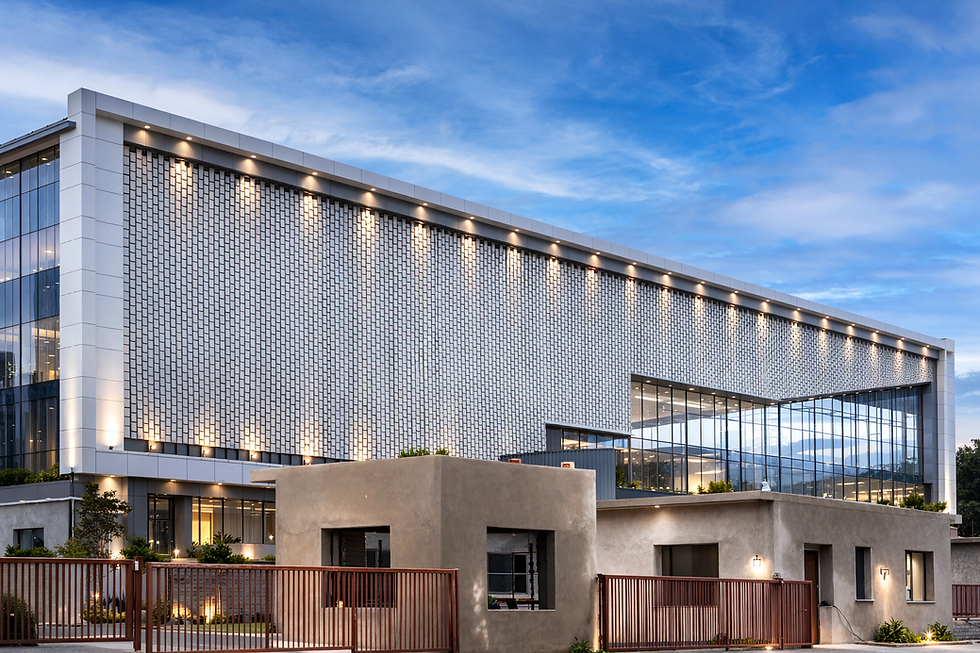
This dynamic visual identity enables brands, institutions, and residences to stand out while remaining deeply connected to their surroundings. Dexxta’s custom kinetic solutions, for example, often merge geometry, motion, and material innovation to create facades that are as expressive as they are functional.
Climate-Responsive Architecture Becomes the Norm
As sustainability becomes a non-negotiable priority, kinetic facades are emerging as a powerful tool in climate-responsive design.
By passively regulating light, heat, and airflow, these systems reduce dependence on artificial lighting and HVAC. In regions with extreme climates—hot, humid, or highly variable—this adaptability is particularly valuable.
Dexxta’s projects demonstrate how kinetic facades can be tailored for diverse environmental contexts, from dense urban developments to coastal and tropical settings.
Technology Meets Craftsmanship
Modern kinetic facades sit at the intersection of:
Advanced engineering
Precision fabrication
Smart control systems
Architectural craftsmanship
Sensors, actuators, and control logic are integrated seamlessly with metal, aluminum, and composite materials. This convergence is redefining collaboration between architects, façade consultants, and specialized manufacturers like Dexxta, who bridge design intent with real-world execution.
Redefining the Future of Urban Design
As cities grow denser and sustainability targets become stricter, kinetic facades offer a scalable solution for smarter buildings. They support:
Net-zero energy goals
Adaptive reuse of existing buildings
Improved occupant comfort and well-being
More importantly, they encourage architects to think beyond form and function—to design responsive ecosystems rather than static structures.
Conclusion: Architecture in Motion
Kinetic facades are not a trend—they represent a paradigm shift in how buildings are conceived, designed, and experienced. By introducing adaptability, performance intelligence, and movement, they are reshaping the architectural industry.
With innovators like Dexxta leading the way, kinetic facades are proving that the future of architecture is not just about how buildings look—but how they respond, perform, and evolve.


Comments